Casino Architecture
avatar


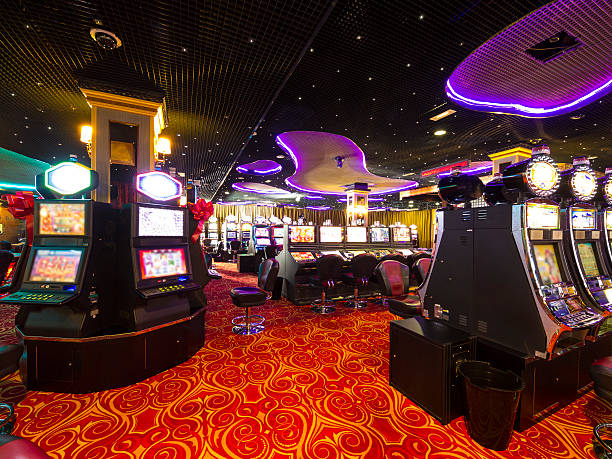
Casino architecture combines entertainment spaces with the practical requirements of a busy public building. A venue may contain gaming rooms, restaurants, lounges, and performance areas, each serving a different purpose within a connected floor plan.

Architects consider sight lines, entrances, ceiling heights, and the movement of visitors between activities. The appearance of a building can suggest a particular historical period or create an entirely contemporary identity through materials and lighting.

Within a larger property, this subject connects to services that visitors may not immediately notice. Staff schedules, delivery routes, storage areas, and cleaning routines all influence how a public space operates. Coordination between these activities helps the visible part of the venue remain consistent during both quiet hours and periods of heavier use.

Routine observation is an important part of managing this environment. Staff can note recurring questions, worn surfaces, difficult routes, or delays that are not obvious from a drawing. These observations provide a practical starting point for small improvements and help distinguish a temporary inconvenience from an issue that appears repeatedly.

There is no single arrangement that suits every destination. The age of the building, available floor area, surrounding transport, and mix of facilities all influence the choices available. A city property and a spacious resort may address similar needs through different layouts, even when they offer broadly comparable services to their visitors.

A successful layout supports both the recognizable character of the property and the ordinary tasks involved in running it. Its role becomes clearer when viewed alongside the rest of the building, including the routes, services, and staff activities that connect the individual area with the wider experience of visiting an entertainment property.

Casino Architecture
avatar


Casino architecture combines entertainment spaces with the practical requirements of a busy public building. A venue may contain gaming rooms, restaurants, lounges, and performance areas, each serving a different purpose within a connected floor plan.

Architects consider sight lines, entrances, ceiling heights, and the movement of visitors between activities. The appearance of a building can suggest a particular historical period or create an entirely contemporary identity through materials and lighting.

Within a larger property, this subject connects to services that visitors may not immediately notice. Staff schedules, delivery routes, storage areas, and cleaning routines all influence how a public space operates. Coordination between these activities helps the visible part of the venue remain consistent during both quiet hours and periods of heavier use.

Routine observation is an important part of managing this environment. Staff can note recurring questions, worn surfaces, difficult routes, or delays that are not obvious from a drawing. These observations provide a practical starting point for small improvements and help distinguish a temporary inconvenience from an issue that appears repeatedly.

There is no single arrangement that suits every destination. The age of the building, available floor area, surrounding transport, and mix of facilities all influence the choices available. A city property and a spacious resort may address similar needs through different layouts, even when they offer broadly comparable services to their visitors.

A successful layout supports both the recognizable character of the property and the ordinary tasks involved in running it. Its role becomes clearer when viewed alongside the rest of the building, including the routes, services, and staff activities that connect the individual area with the wider experience of visiting an entertainment property.

Casino Architecture
avatar


Casino architecture combines entertainment spaces with the practical requirements of a busy public building. A venue may contain gaming rooms, restaurants, lounges, and performance areas, each serving a different purpose within a connected floor plan.

Architects consider sight lines, entrances, ceiling heights, and the movement of visitors between activities. The appearance of a building can suggest a particular historical period or create an entirely contemporary identity through materials and lighting.

Within a larger property, this subject connects to services that visitors may not immediately notice. Staff schedules, delivery routes, storage areas, and cleaning routines all influence how a public space operates. Coordination between these activities helps the visible part of the venue remain consistent during both quiet hours and periods of heavier use.

Routine observation is an important part of managing this environment. Staff can note recurring questions, worn surfaces, difficult routes, or delays that are not obvious from a drawing. These observations provide a practical starting point for small improvements and help distinguish a temporary inconvenience from an issue that appears repeatedly.

There is no single arrangement that suits every destination. The age of the building, available floor area, surrounding transport, and mix of facilities all influence the choices available. A city property and a spacious resort may address similar needs through different layouts, even when they offer broadly comparable services to their visitors.

A successful layout supports both the recognizable character of the property and the ordinary tasks involved in running it. Its role becomes clearer when viewed alongside the rest of the building, including the routes, services, and staff activities that connect the individual area with the wider experience of visiting an entertainment property.

Casino Architecture
avatar


Casino architecture combines entertainment spaces with the practical requirements of a busy public building. A venue may contain gaming rooms, restaurants, lounges, and performance areas, each serving a different purpose within a connected floor plan.

Architects consider sight lines, entrances, ceiling heights, and the movement of visitors between activities. The appearance of a building can suggest a particular historical period or create an entirely contemporary identity through materials and lighting.

Within a larger property, this subject connects to services that visitors may not immediately notice. Staff schedules, delivery routes, storage areas, and cleaning routines all influence how a public space operates. Coordination between these activities helps the visible part of the venue remain consistent during both quiet hours and periods of heavier use.

Routine observation is an important part of managing this environment. Staff can note recurring questions, worn surfaces, difficult routes, or delays that are not obvious from a drawing. These observations provide a practical starting point for small improvements and help distinguish a temporary inconvenience from an issue that appears repeatedly.

There is no single arrangement that suits every destination. The age of the building, available floor area, surrounding transport, and mix of facilities all influence the choices available. A city property and a spacious resort may address similar needs through different layouts, even when they offer broadly comparable services to their visitors.

A successful layout supports both the recognizable character of the property and the ordinary tasks involved in running it. Its role becomes clearer when viewed alongside the rest of the building, including the routes, services, and staff activities that connect the individual area with the wider experience of visiting an entertainment property.

Casino Architecture
avatar


Casino architecture combines entertainment spaces with the practical requirements of a busy public building. A venue may contain gaming rooms, restaurants, lounges, and performance areas, each serving a different purpose within a connected floor plan.

Architects consider sight lines, entrances, ceiling heights, and the movement of visitors between activities. The appearance of a building can suggest a particular historical period or create an entirely contemporary identity through materials and lighting.

Within a larger property, this subject connects to services that visitors may not immediately notice. Staff schedules, delivery routes, storage areas, and cleaning routines all influence how a public space operates. Coordination between these activities helps the visible part of the venue remain consistent during both quiet hours and periods of heavier use.

Routine observation is an important part of managing this environment. Staff can note recurring questions, worn surfaces, difficult routes, or delays that are not obvious from a drawing. These observations provide a practical starting point for small improvements and help distinguish a temporary inconvenience from an issue that appears repeatedly.

There is no single arrangement that suits every destination. The age of the building, available floor area, surrounding transport, and mix of facilities all influence the choices available. A city property and a spacious resort may address similar needs through different layouts, even when they offer broadly comparable services to their visitors.

A successful layout supports both the recognizable character of the property and the ordinary tasks involved in running it. Its role becomes clearer when viewed alongside the rest of the building, including the routes, services, and staff activities that connect the individual area with the wider experience of visiting an entertainment property.

Casino Architecture
avatar


Casino architecture combines entertainment spaces with the practical requirements of a busy public building. A venue may contain gaming rooms, restaurants, lounges, and performance areas, each serving a different purpose within a connected floor plan.

Architects consider sight lines, entrances, ceiling heights, and the movement of visitors between activities. The appearance of a building can suggest a particular historical period or create an entirely contemporary identity through materials and lighting.

Within a larger property, this subject connects to services that visitors may not immediately notice. Staff schedules, delivery routes, storage areas, and cleaning routines all influence how a public space operates. Coordination between these activities helps the visible part of the venue remain consistent during both quiet hours and periods of heavier use.

Routine observation is an important part of managing this environment. Staff can note recurring questions, worn surfaces, difficult routes, or delays that are not obvious from a drawing. These observations provide a practical starting point for small improvements and help distinguish a temporary inconvenience from an issue that appears repeatedly.

There is no single arrangement that suits every destination. The age of the building, available floor area, surrounding transport, and mix of facilities all influence the choices available. A city property and a spacious resort may address similar needs through different layouts, even when they offer broadly comparable services to their visitors.

A successful layout supports both the recognizable character of the property and the ordinary tasks involved in running it. Its role becomes clearer when viewed alongside the rest of the building, including the routes, services, and staff activities that connect the individual area with the wider experience of visiting an entertainment property.

Navegar entre casas de apuestas sin límites en España revela detalles que pocos notan
avatar

Explorando casas de apuestas sin límites en España: una mirada distinta a https://www.mundiario.com/casinos/casas-de-apuestas-que-no-limitan-espana/

Lo que significa apostar sin restricciones en el mercado español

En España, la regulación del juego ha establecido límites claros para proteger a los usuarios y garantizar un entorno responsable. Sin embargo, ciertas casas de apuestas han encontrado la manera de ofrecer experiencias sin los límites tradicionales, lo que abre un debate sobre los riesgos y beneficios de esta libertad aparente. ¿Qué ocurre cuando se navega en estas plataformas que no limitan apuestas o depósitos? Aquí es donde la experiencia del usuario y las normativas chocan, y surgen detalles que pocos suelen notar.

Tal libertad puede resultar atractiva para apostadores más experimentados, pero también implica una responsabilidad mayor, tanto para el operador como para el jugador. En plataformas que permiten apuestas sin restricciones, la ausencia de límites puede afectar la gestión del riesgo personal y la percepción de control. Por eso, es fundamental entender el contexto en que operan estas casas y cómo influyen en la industria española, visible en sitios especializados como https://www.mundiario.com/casinos/casas-de-apuestas-que-no-limitan-espana/.

Principales actores y tecnologías que facilitan las apuestas ilimitadas

En el panorama actual, proveedores como Evolution y Pragmatic Play no solo dominan el segmento de casinos, sino que también se han adaptado para ofrecer productos compatibles con modelos de apuestas más flexibles. Esto incluye la integración de sistemas de pago internacionales como PayPal, Skrill o Neteller, que permiten transacciones rápidas y sin las restricciones tradicionales que limitan la cantidad apostada.

Asimismo, la tecnología detrás de estas plataformas está altamente protegida con protocolos SSL, garantizando la seguridad en el manejo de datos y dinero. Lo curioso es que, aunque las casas de apuestas sin límites se presentan como una alternativa para evitar restricciones, en España la Dirección General de Ordenación del Juego (DGOJ) mantiene control y supervisión estricta para evitar abusos.

Ventajas y riesgos: un análisis práctico para quienes exploran estas casas

Desde la perspectiva del jugador, las apuestas sin límites pueden ofrecer oportunidades interesantes para quienes buscan mayores márgenes de maniobra. Sin embargo, la ausencia de restricciones también puede llevar a errores comunes, como la falta de autocontrol o la tentación de aumentar el volumen de juego sin considerar las consecuencias financieras.

Para navegar con éxito en estas plataformas, es recomendable:

  • Establecer un presupuesto claro antes de jugar y respetarlo sin importar las facilidades
  • Conocer bien las reglas específicas de cada casa y las condiciones de bonos o promociones
  • Utilizar herramientas de gestión de tiempo y gasto dentro de la plataforma
  • Informarse sobre la reputación y las licencias de los operadores para evitar experiencias negativas

Mi experiencia personal indica que, aunque la flexibilidad puede favorecer a jugadores con mayor control, la mayoría tiende a subestimar el impacto psicológico de la ausencia de límites. A veces, un límite no es simplemente una restricción, sino un mecanismo que ayuda a mantener el juego en una escala saludable.

Implicaciones legales y éticas en un entorno sin fronteras

Un aspecto que pocas veces se analiza a fondo es cómo las casas sin límites desafían la regulación española. Al operar en un mercado tan regulado, estas plataformas deben adaptarse para seguir ofreciendo servicios legales, lo que a menudo implica complejas maniobras jurídicas y técnicas.

Algunos operadores optan por licencias en otros países de la Unión Europea para evitar ciertas limitaciones nacionales, lo que genera un terreno ambiguo en cuanto a la protección al consumidor. Esto plantea preguntas éticas importantes: ¿debería permitirse que los jugadores accedan a productos sin límites en un país donde la ley busca precisamente evitar excesos? ¿Dónde termina la responsabilidad del operador y dónde empieza la del jugador?

La importancia de un juego responsable en entornos sin límites

Aunque la oferta de casas de apuestas sin límites pueda parecer una ventaja para algunos, la realidad es que el juego responsable es una pieza esencial para evitar problemas asociados al juego compulsivo. En España, la DGOJ obliga a los operadores a implementar herramientas de autocontrol, autoexclusión y límites, incluso cuando el jugador accede a plataformas menos reguladas.

Por eso, incluso en casas sin restricciones aparentes, es crucial contar con mecanismos que ayuden a los usuarios a mantener una relación sana con el juego. Desde mi punto de vista, la tecnología y las regulaciones deben ir de la mano para proteger tanto al jugador como al mercado, y evitar que la ausencia de límites se traduzca en un aumento de riesgos.

¿Qué hay que recordar sobre las casas de apuestas sin límites en España?

En definitiva, explorar casas de apuestas sin límites en España revela un panorama complejo y lleno de matices. Si bien ofrecen una experiencia distinta y potencialmente más libre, también demandan mayor conciencia y estrategia por parte del jugador. La clave está en entender que la ausencia de límites no es sinónimo de ausencia de riesgos.

En este contexto, la información y la formación resultan esenciales para que cada persona tome decisiones informadas, evitando caer en trampas o excesos. El equilibrio es delicado y, a menudo, la línea entre oportunidad y peligro es muy fina. Por eso, siempre será mejor jugar con conocimiento y control.

De esta manera, las casas que no limitan apuestas en España no solo muestran un mercado en constante evolución, sino que también nos invitan a reflexionar sobre cómo definir y respetar nuestros propios límites personales.

Para quienes deseen profundizar y conocer detalles específicos sobre estas plataformas, recomiendo consultar recursos especializados como https://www.mundiario.com/casinos/casas-de-apuestas-que-no-limitan-espana/, donde se analizan las opciones disponibles y los matices legales del sector.

Navegar sin papeleo puede ser el doble de emocionante en casinos sin verificación
avatar

Explorando la emoción sin papeleo en un casino sin verificación

La nueva experiencia de jugar en un casino sin verificación

En los últimos años, la industria del juego online ha visto una transformación notable con la aparición de los casinos sin verificación. ¿Qué hace que esta modalidad sea tan atractiva y diferente? Principalmente, la ausencia de trámites engorrosos para comenzar a jugar. Saltarse procesos de registro tradicionales y verificaciones extensas permite a los usuarios sumergirse en la acción casi de inmediato, lo que sin duda añade un grado extra de emoción a la experiencia.

Además, la rapidez con la que se puede acceder a juegos populares como Starburst o Book of Dead es un claro beneficio. No obstante, es importante conocer bien las particularidades antes de lanzarse, y por eso siempre recomiendo informarse en fuentes confiables como casino sin verificación.

¿Cómo funcionan los casinos sin verificación?

Estos casinos operan con un modelo simplificado donde no se exige el típico proceso de validación de identidad mediante documentos. En lugar de eso, suelen utilizar sistemas de pago que certifican la identidad de forma implícita, como Trustly o el método Pay N Play. Esta tecnología se ha popularizado desde alrededor de 2018, permitiendo que los jugadores depositen y retiren fondos sin la burocracia habitual.

El resultado es un acceso mucho más fluido. ¿Pero esto implica sacrificios en seguridad? La mayoría de estos casinos emplean cifrado SSL y protocolos de seguridad robustos para proteger la información financiera y personal, lo que los hace confiables dentro de su segmento.

Ventajas y desventajas de jugar sin papeleo

La principal ventaja es obvia: eliminar la verificación es un ahorro de tiempo y un paso menos antes de comenzar a jugar. Pero también influye en la percepción de libertad y espontaneidad, algo que muchos jugadores valoran mucho.

Sin embargo, existen algunas limitaciones. Por ejemplo, los bonos suelen ser más restrictivos o incluso inexistentes en estos sitios, ya que los operadores no pueden verificar completamente la identidad para evitar abusos.

Además, la ausencia de verificación puede complicar la atención al cliente en casos específicos, como disputas o problemas con retiros. Todo esto debería ser parte de la reflexión personal antes de elegir este tipo de plataformas.

Consejos para una experiencia segura y responsable

Si decides probar suerte en un casino sin verificación, algunos consejos prácticos pueden ayudarte a disfrutar sin contratiempos:

  • Verifica que el casino tenga licencias válidas, aunque no exijan verificación exhaustiva.
  • Utiliza métodos de pago reconocidos y seguros, como Trustly o Vipps, con soporte SSL.
  • Juega siempre con moderación y establece límites claros para evitar riesgos financieros.
  • Consulta opiniones y experiencias de otros usuarios antes de registrarte.

Desde mi experiencia, estos puntos marcan la diferencia entre una experiencia divertida y una potencial fuente de estrés.

La importancia del juego responsable en plataformas sin verificación

Jugar en un casino sin verificación puede resultar muy atractivo por su simplicidad y velocidad, pero también conlleva la necesidad de mantener un control consciente sobre el tiempo y dinero invertido. Sin mecanismos tradicionales de control, la responsabilidad recae aún más en el jugador.

Por eso, es fundamental recordar que el juego debe ser siempre una forma de entretenimiento, no una fuente de problemas financieros o personales. Establecer límites y tomar pausas regulares ayuda a conservar una experiencia saludable y positiva.

Más allá del trámite: ¿vale la pena el casino sin verificación?

¿Realmente eludir el papeleo puede doblar la emoción al jugar? En mi opinión, sí, al menos para cierto tipo de jugadores. La rapidez para acceder a títulos como Gonzo’s Quest de NetEnt o las slot de Pragmatic Play crea una sensación de inmediatez que no se siente en otros entornos.

Pero no es para todos. La ausencia de verificación puede no ser adecuada para quienes prefieren una experiencia más tradicional, con atención personalizada y beneficios como bonos más generosos. En definitiva, depende de las prioridades de cada quien.

La tendencia apunta a que los casinos sin verificación seguirán ganando terreno, con mejoras constantes en seguridad y variedad de juegos. Aún así, el equilibrio entre comodidad y seguridad es la clave para disfrutar sin sorpresas desagradables.